Case Study: Transforming Community Health and Mission through Clean Water in Kinshasa
Background
In the Mama Mombutu area of Kinshasa, Democratic Republic of the Congo, access to clean, reliable water was a daily struggle. Kinshasa’s rapid growth and high temperatures created a demand for water that the municipal system’s poor infrastructure failed to meet, often leaving neighborhoods without service for two to three months at a time. When water did flow, it arrived in the middle of the night at pressures too low to reach storage tanks, or at surges so high they damaged local piping. Supplied water was frequently untreated or contaminated.
The Sisters of Saint Joseph of Tarbes operate a mission in Mama Mombutu serving local families, aspiring Sisters, and vulnerable populations. The lack of reliable water hampered their daily lives and compromised their health. To survive, the Sisters and local residents bought untreated water transported from afar or relied on polluted river water and rainwater.
Challenge
The systemic water crisis created severe financial, physical, and operational burdens across the entire community:
Exorbitant and Unfair Costs: Because municipal workers could not read individual meters across Kinshasa, the water company issued arbitrary charges based on location and status. Residents were required to pay these bills even during outages. When utility lines were disconnected, communities faced collective demands for payment prior to reconnection.
Severe Health Risks: Unfiltered water and vegetables grown with contaminated wastewater caused recurring outbreaks of waterborne illnesses, primarily typhoid and malaria.
Economic Strain: The Sisters spent $2 for every 20 liters of emergency water. They were unable to cultivate food, forcing them to purchase expensive produce in local markets. Small-scale vendors and widows in the area faced harassment and extortion from local authorities while trying to earn a living.
Mission Constraints: The water shortage forced the temporary closure of the congregation's formation house. It also stalled their long-held dream of establishing an inclusive school for poor children, refugees, and marginalized youth who were excluded from traditional schools due to systemic poverty.
Solution
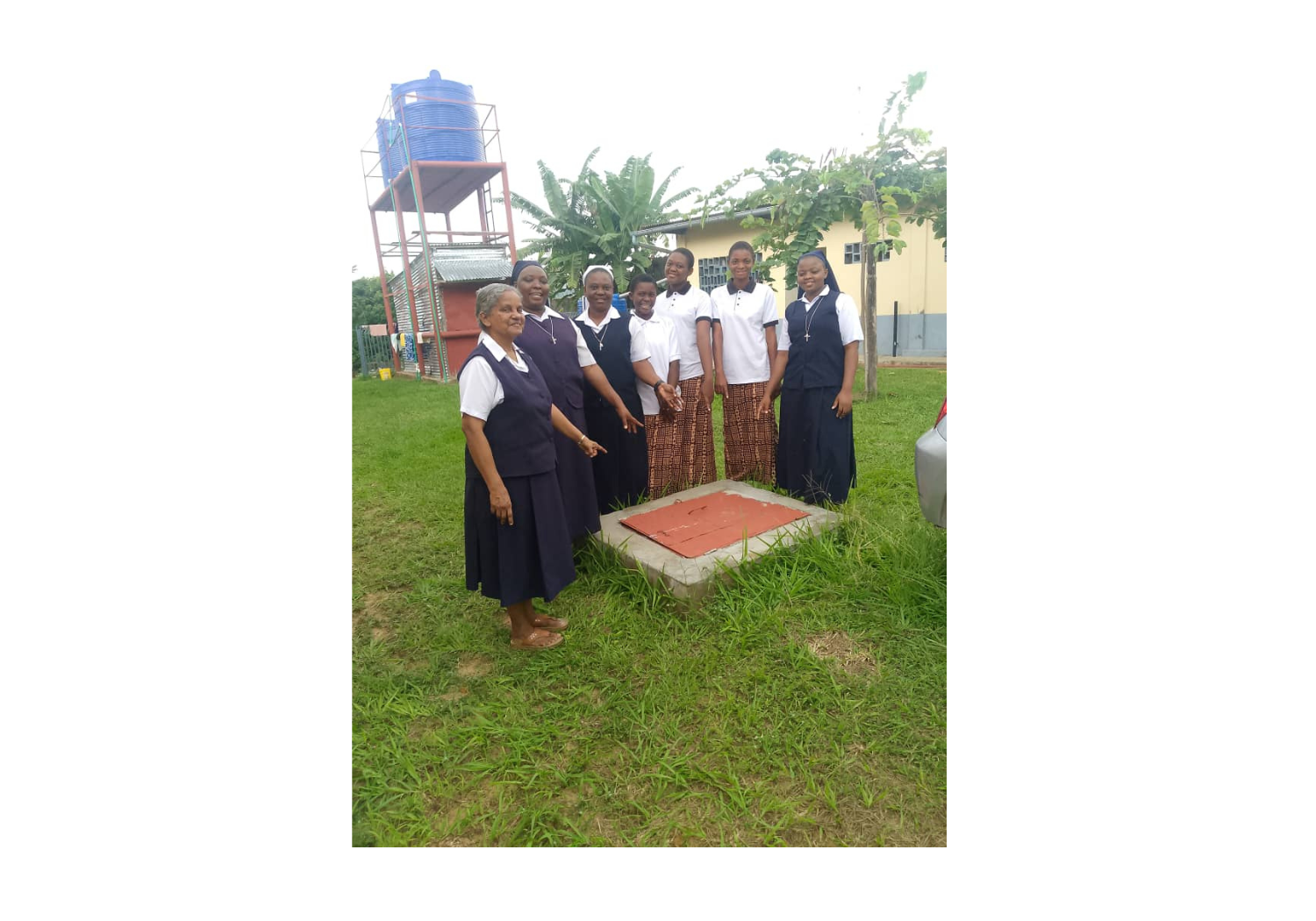
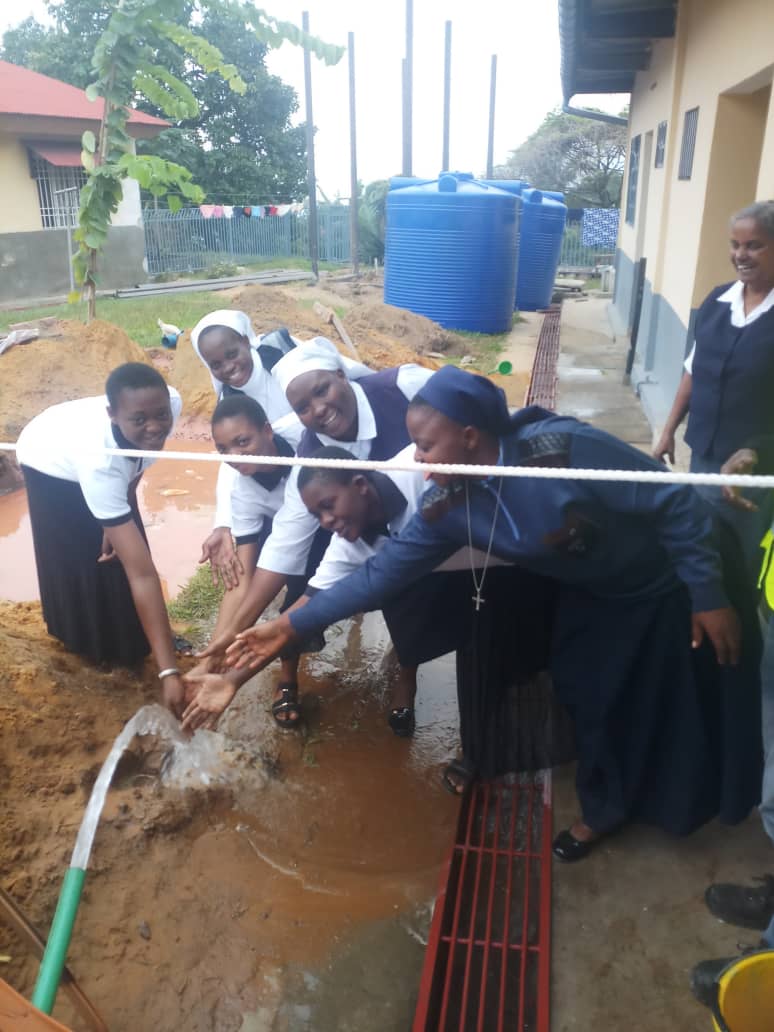
The Sisters of Saint Joseph of Tarbes secured a grant from Sisters Rising Worldwide to construct a deep-water borehole system with a high-capacity diesel generator to power the deep-well pump. The system delivered water at stable pressure directly to the community house, storage tanks, and local school facilities. The Sisters established a daily distribution schedule and opened the borehole to local residents, neighboring religious congregations, and parish facilities.
Results
The completion of the borehole transformed health, education, and economic stability across Mama Mombutu:
Health and Hygiene: Incidences of typhoid and malaria linked to contaminated water dropped to zero among the Sisters, formees, and regular users. Access to running water enabled modern sanitation practices, including operational showers and handwashing stations. The Sisters also provide hygiene instruction to prevent water borne disease.
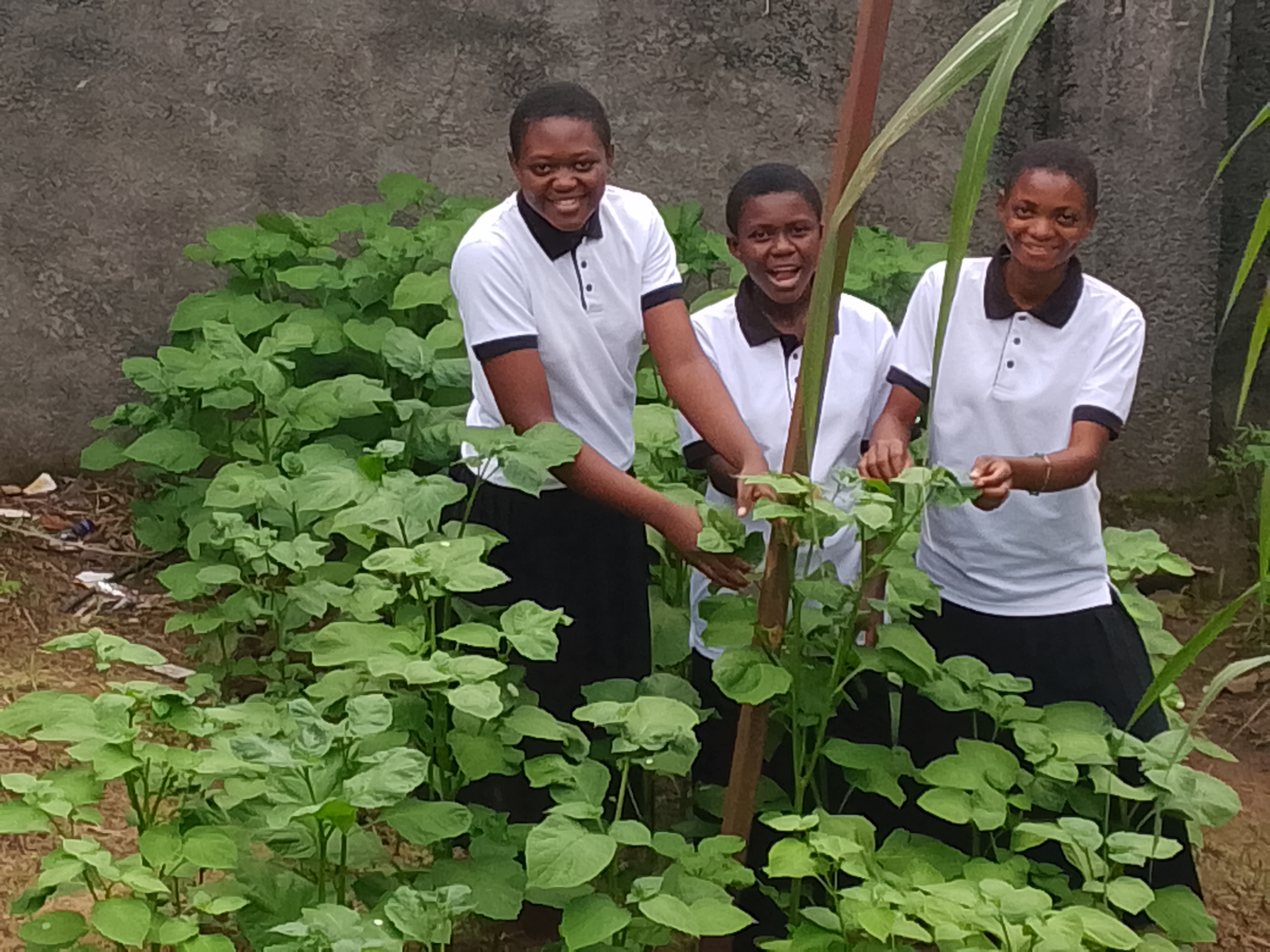
Food Security and Agricultural Sustainability: With a reliable water supply, the Sisters cultivated an agricultural garden growing staple crops and fruits. The yield eliminated market expenses and today it provides surplus food to local orphanages and neighboring religious communities.
Micro-Economy Growth: Local youth found employment fetching and distributing clean water to neighborhood homes, while women saved money previously spent on high transport fees and expensive water.
Expanded Ministry: The Sisters’ formation house reopened and expanded beyond its previous limit of three formees. The Sisters now dedicate time previously lost to water collection toward community outreach, visiting the sick, and crafting goods (mats, rosaries, baskets) for income generation. In addition, they now teach financial literacy and savings methods to widowed mothers and educated community members on human rights and anti-corruption strategies.
Educational Success: The Sisters’ new school finally opened with running water for drinking, cleaning, and sanitation—a feature rare among schools in the area. Enrollment grew rapidly, with parents securing placements for upcoming academic years.
.png)
.jpg)