Impact Report: Breaking Cycles of Addiction and Exploitation in India
Background
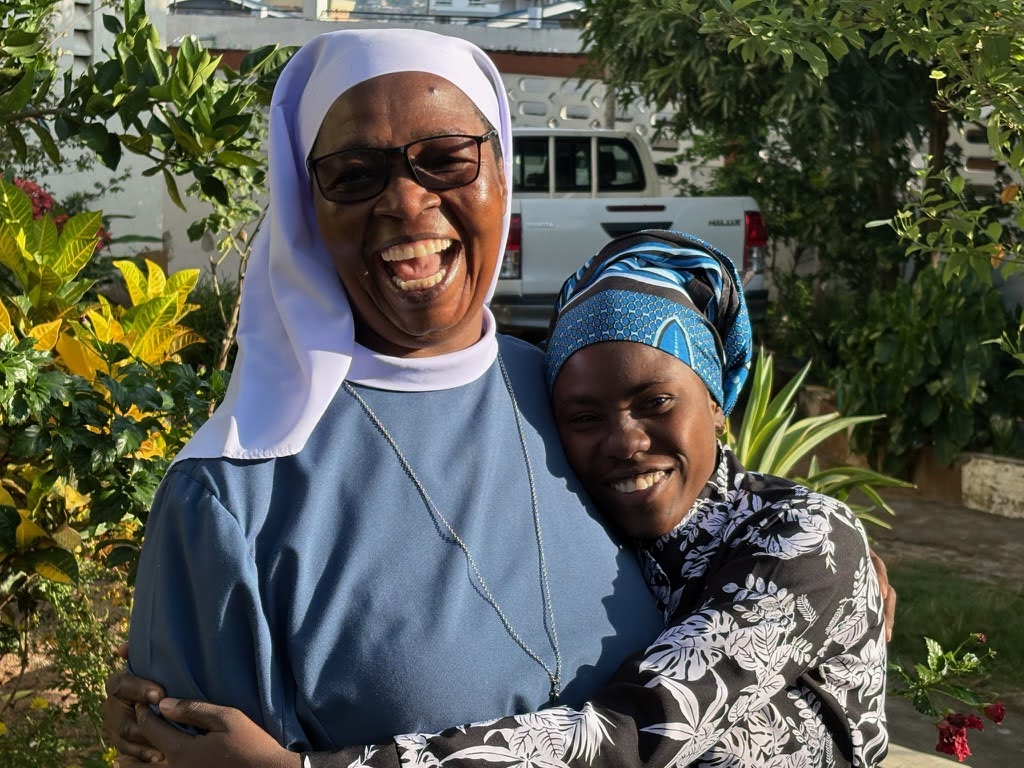
Sr. Cynthia serves in Bihar, India, where she and the Sisters of the Congregation of Jesus partner with Chirag, a local NGO dedicated to empowering marginalized children, youth, and women. Grounded in the core pillars of education, awareness, and skill-building, Chirag utilizes a grassroots strategy designed to tackle the root causes of systemic injustice and equip vulnerable populations with the tools needed for long-term economic independence and safety.
Supported by a grant from Sisters Rising Worldwide, Sr. Cynthia launched a targeted intervention with fellow Sisters and Chirag, aimed at preventing human trafficking, curbing substance abuse, and fostering financial self-reliance among rural youth and adolescent girls. The initiative was structured to address deep-seated socio-economic vulnerabilities across rural villages and local schools.
Challenge
During outreach across their district, Sisters encountered severe, normalized crises concerning substance abuse, child exploitation, and gender inequality:
Normalized Substance Abuse: Community members largely viewed drug and tobacco use as routine lifestyle habits rather than a severe social and health crisis. In interior villages, an estimated 85% of adult men and young boys struggled with addiction, leading to widespread liver disease, domestic violence, and household destitution.
Child Exploitation and Trafficking Risks: Addiction among adults directly endangered children. Young students routinely carried tobacco taken from older male relatives into classrooms. More alarmingly, adults exploited children under the age of 12 as secret peddlers to distribute cheap inhalants ("solution") and drugs to their peers.
Vulnerability of Women and Adolescent Girls: Economic instability and addiction forced families to put children at risk, including pulling children out of school for hazardous labor (such as working in brick kilns) or domestic work. Adolescent girls faced heightened risks of child marriage, online exploitation, and a lack of access to reproductive health education or viable career pathways.
Solution
To combat these issues, Sr. Cynthia recruited a dedicated team—including a Project Manager, Youth coordinators, and vocational teachers—and executed a multi-pronged grassroots intervention:
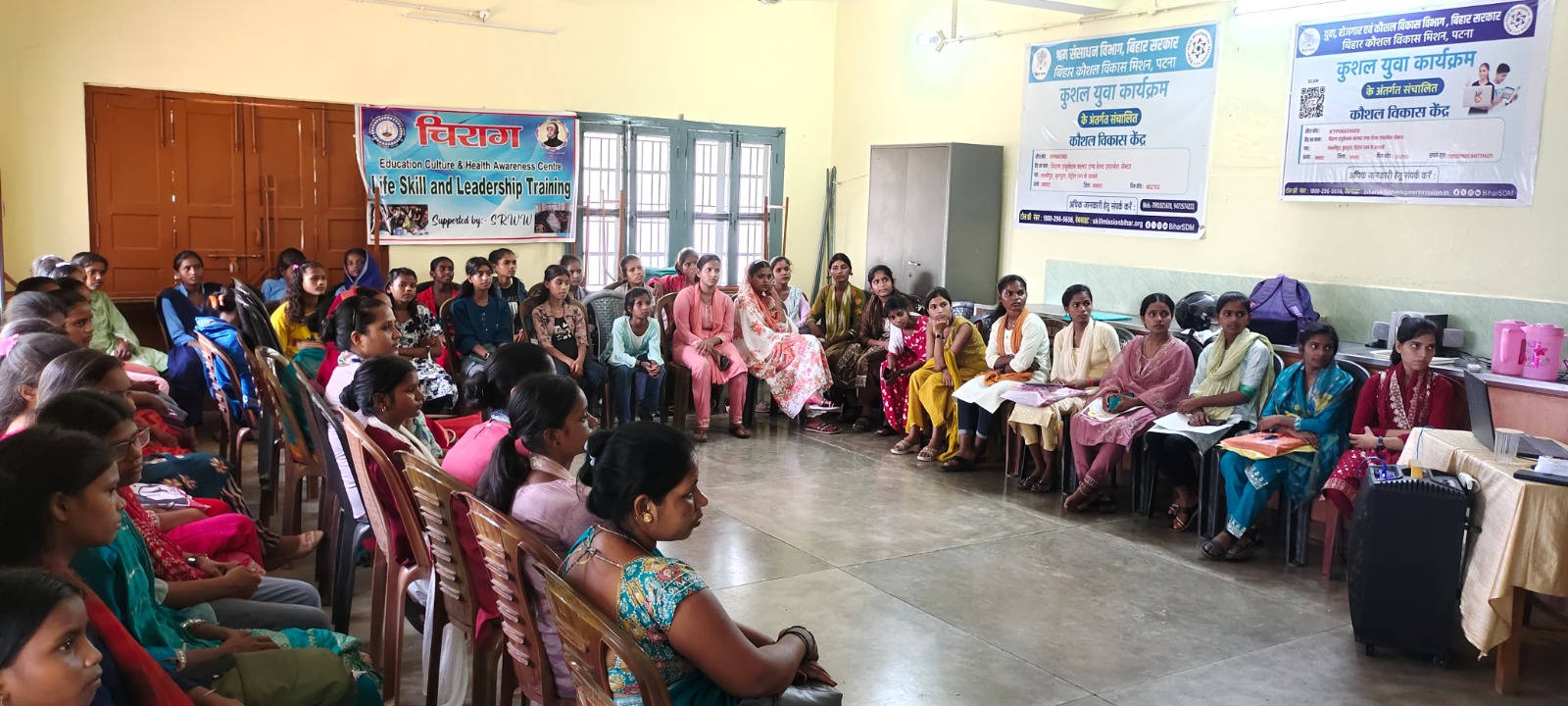
Community & School Awareness Campaigns: Sisters trained a joint team of youth and staff to perform interactive street plays and distribute educational handbills across 40 villages. These sessions exposed the realities of human trafficking and substance abuse, educated students on their legal rights and government welfare services, and alerted school principals and teachers to monitor and protect at-risk students.
Kishori (Adolescent Girls) Leadership Groups: The Sisters also established peer-led Kishori groups across 9 villages. Supported by regular check-ins and specialized sessions (including an on-field Girl Child Day workshop), participants received training in menstrual hygiene, reproductive health, financial literacy, legal rights, cyber security, and preventing child marriage.
Vocational Training & Career Guidance: To build economic resilience, the Sisters opened three local tailoring centers equipped with sewing machines, providing hands-on instruction to adolescent girls and married women. They also conducted career guidance sessions for students to map out safe, stable employment futures.
Direct Crisis Intervention & Rehabilitation: Beyond group programming, the team provided individual counseling and medical referrals for families in crisis, connecting individuals struggling with addiction to rehabilitation services and intervening directly to rescue children from dangerous working conditions.
Results
By combining community mobilization with practical skill-building, Sr. Cynthia reached thousands in need, establishing systemic and individual impact across the region:
Substance Abuse and Trafficking Awareness Campaigns: 10,000 people total (including 3,000 children) attended multi-day awareness campaigns. These events challenged assumptions regarding dangerous lifestyles, addressed unspoken issues, and directly engaged with at-risk children affected by drug use.
Life Skills Training: Over 500 youth trained in leadership skills, legal rights, and financial literacy
Vocational Training - Tailoring: Over 150 girls and women trained and certified for government and private-sector employment
Adolescent Girls (Kishori) Groups: 9 active groups formed with over 200 participants completing health, legal, and cyber-safety orientations
Career Guidance: 82 students completed career guidance sessions
Individual Impact
The human impact of the Sisters' approach is exemplified by Parvati (name changed for privacy), a mother of four from a local Bihar village. Prior to the Sisters' intervention, her husband’s severe drug addiction led him to steal household food staples and physically assault her. In order to meet her family's basic needs, Parvati accepted a low-wage job, sent her eldest daughter away for domestic work, and placed her youngest son in a brick kiln as a child laborer.
After connecting with Chirag and the Sisters during a village awareness campaign, Parvati received dedicated counseling. Sisters facilitated her husband's medical rehabilitation and medication, stopping the domestic violence and theft. Furthermore, the team rescued her son from the brick kiln and re-enrolled two of her children in school, restoring stability and safety to her household.